Sudden Neurological Emergency Symptoms: When to Seek Immediate Medical Care
Neurological Emergencies: Symptoms You Should Never Ignore
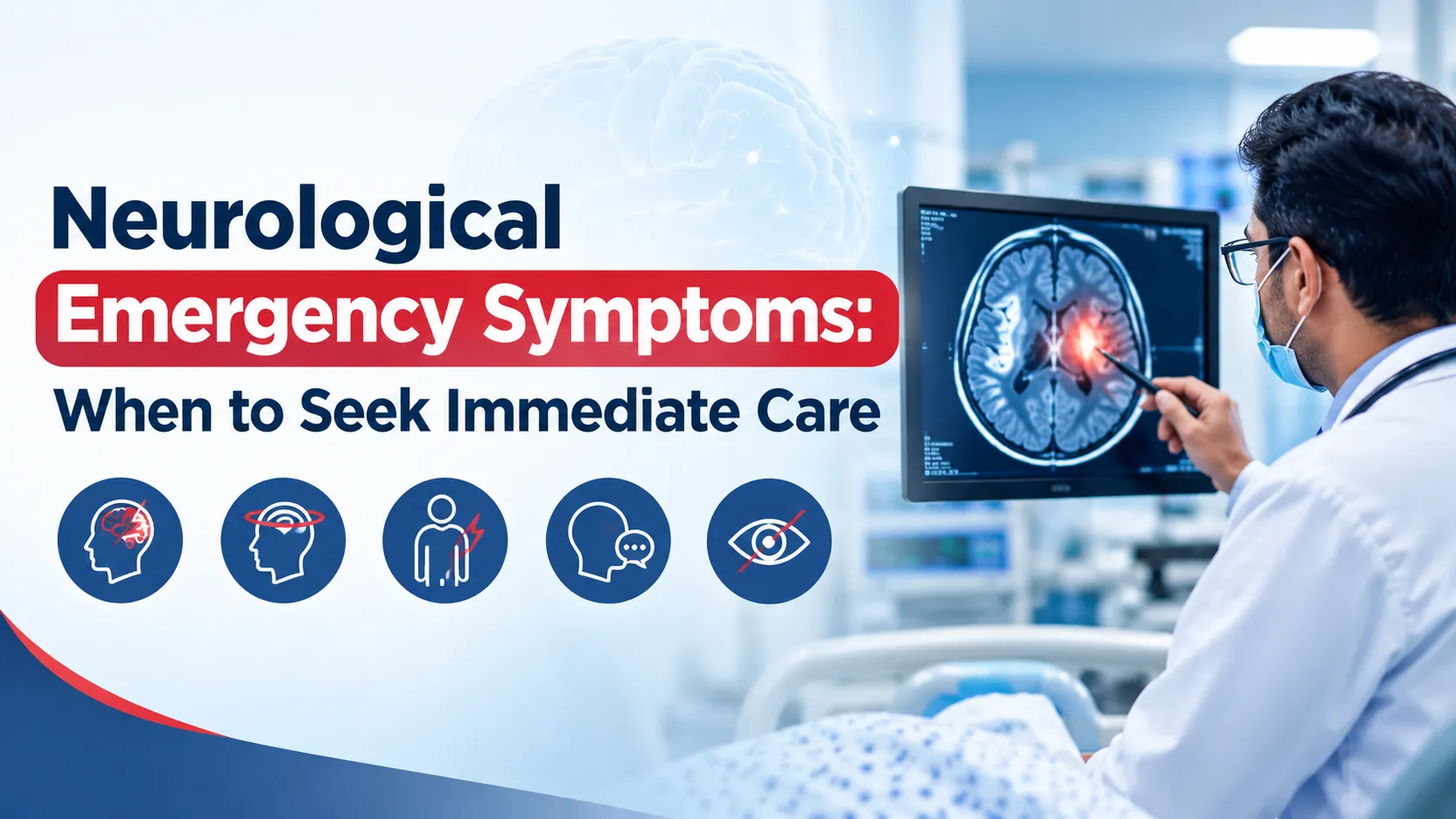
Neurological problems can sometimes develop suddenly and become serious within a short period. Symptoms such as sudden weakness, difficulty speaking, seizures, severe headache, confusion, loss of consciousness or problems with balance may indicate a neurological emergency that requires immediate medical evaluation.
For patients and families in Maninagar and nearby areas of Ahmedabad, recognizing these warning signs can help ensure that appropriate medical care is not delayed.
Neurological emergencies can affect the brain, spinal cord or nervous system. Some conditions, including stroke, require rapid assessment because early medical intervention can be extremely important.
At Care and Cure Hospital, Maninagar, patients experiencing sudden or potentially serious neurological symptoms can receive emergency medical evaluation and appropriate care based on their condition.
Medical Information Notice: This article is intended for general awareness and should not replace professional medical advice. Sudden neurological symptoms can require urgent medical evaluation. If you suspect a medical emergency, seek immediate medical attention.
What Is a Neurological Emergency?
A neurological emergency is a sudden medical condition affecting the brain, spinal cord or nervous system that may require immediate assessment and treatment.
Some neurological conditions develop gradually, while others can appear suddenly. A person who was completely normal a few minutes earlier may suddenly develop difficulty speaking, weakness on one side of the body, severe dizziness, confusion or unconsciousness.
In such situations, it is important not to wait and see whether the symptoms disappear on their own.
The emergency medical team may assess the patient's symptoms, vital signs and neurological status and arrange appropriate investigations to determine the possible cause.
Common Sudden Neurological Emergency Symptoms
Several warning signs should be taken seriously, particularly when they appear suddenly.
1. Sudden Weakness or Numbness
Sudden weakness or numbness in the face, arm or leg, particularly on one side of the body, can be a warning sign of a serious neurological condition such as stroke.
For example, if one arm suddenly becomes weak or the face appears uneven while smiling, immediate medical evaluation is important.
2. Difficulty Speaking or Understanding Speech
Sudden slurred speech, difficulty finding words, inability to speak clearly or difficulty understanding what others are saying can indicate a serious neurological problem.
These symptoms should not be ignored, especially when they develop suddenly.
3. Sudden Severe Headache
A sudden and unusually severe headache, particularly when it develops abruptly or feels significantly different from a person's usual headaches, requires urgent medical attention.
A severe headache accompanied by vomiting, confusion, weakness, vision problems, seizures or loss of consciousness can be particularly concerning.
4. Seizures
A seizure may involve uncontrolled movements, loss of awareness, staring episodes or temporary changes in consciousness.
A first-time seizure, prolonged seizure or repeated seizures without recovery between episodes should receive immediate medical attention.
Medical evaluation is important to identify the possible cause and determine appropriate treatment.
5. Loss of Consciousness
Sudden unconsciousness or an unexplained loss of consciousness should never be ignored.
It can have several possible causes, including neurological, cardiac or metabolic conditions. Emergency evaluation can help identify the underlying cause and determine the appropriate treatment.
6. Sudden Confusion or Altered Behaviour
Sudden confusion, disorientation, unusual behaviour or difficulty recognizing people or surroundings can sometimes indicate a serious medical condition.
When these symptoms appear suddenly, particularly along with weakness, speech difficulty, seizures or changes in consciousness, immediate medical assessment is recommended.
7. Sudden Vision Problems
Sudden loss of vision, double vision or significant changes in vision can sometimes be associated with neurological emergencies.
If vision changes occur suddenly, especially together with weakness, speech problems, dizziness or severe headache, seek emergency medical attention.
8. Sudden Difficulty Walking or Loss of Balance
Sudden difficulty walking, severe dizziness, loss of coordination or problems maintaining balance can be neurological warning signs.
These symptoms become more concerning when they occur alongside speech difficulties, weakness, numbness or changes in vision.
Stroke: One of the Most Important Neurological Emergencies
Stroke is one of the most time-sensitive neurological emergencies.
A stroke occurs when blood flow to part of the brain is interrupted or when bleeding occurs in the brain. Depending on the affected area, a person may develop weakness, speech difficulties, facial drooping, vision changes, dizziness or confusion.
One useful way to remember common stroke warning signs is FAST:
- F – Face: One side of the face may droop.
- A – Arms: One arm may become weak or numb.
- S – Speech: Speech may become slurred or difficult to understand.
- T – Time: Seek emergency medical attention immediately.
Not every stroke presents in exactly the same way. Other sudden neurological symptoms should also be taken seriously.
What If Neurological Symptoms Disappear After a Few Minutes?
Sudden neurological symptoms should not be ignored simply because they improve or disappear.
Temporary symptoms such as sudden weakness, difficulty speaking, numbness, vision problems or loss of balance may still require urgent medical evaluation.
In some cases, temporary neurological symptoms may indicate an underlying condition that requires further assessment.
Do not wait for symptoms to return or become more severe. If sudden neurological symptoms occur, seek medical attention promptly.
When Should You Go to the Emergency Department?
You should seek immediate medical attention when neurological symptoms are:
- Sudden in onset
- Severe or rapidly worsening
- Associated with loss of consciousness
- Associated with seizures
- Accompanied by sudden weakness or numbness
- Accompanied by difficulty speaking or understanding speech
- Associated with sudden vision problems
- Accompanied by a severe or unusual headache
- Associated with repeated vomiting or confusion
- Following a significant head injury
Do not try to diagnose the condition at home.
Even if symptoms improve after a short period, medical assessment may still be important.
What Should You Do While Waiting for Medical Help?
When someone develops symptoms of a suspected neurological emergency, focus on getting professional medical help as quickly as possible.
You should:
- Keep the person safe and prevent unnecessary movement.
- Note the exact time when symptoms first started, if possible.
- Keep a record of any known medical conditions and medications.
- Do not allow the person to drive themselves to the hospital.
- Avoid giving food or drink if the person has difficulty swallowing or is unconscious.
- Seek emergency medical assistance rather than attempting home treatment.
- Follow instructions provided by emergency medical professionals.
The appropriate first-aid response can depend on the person's symptoms and condition, so professional medical guidance is important.
Why Early Medical Evaluation Matters
Neurological emergencies can involve rapidly changing brain or nervous-system function. Early medical evaluation allows doctors to identify potentially serious conditions and determine the appropriate next step in treatment.
For example, when stroke is suspected, doctors may need to assess the patient's symptoms, determine when they began and perform appropriate investigations before deciding on treatment.
Similarly, patients experiencing seizures, unexplained unconsciousness or severe neurological symptoms may require urgent assessment to identify the possible underlying cause.
The sooner a potentially serious neurological condition is evaluated, the sooner appropriate medical care can begin.
Neurological Emergency Care at Care and Cure Hospital, Maninagar
At Care and Cure Hospital, Maninagar, patients experiencing sudden or serious neurological symptoms can receive emergency medical evaluation and further management based on their condition.
The hospital provides access to 24×7 emergency services, critical-care support and multispeciality medical care when urgent evaluation is required.
Depending on the patient's symptoms and clinical condition, the medical team may coordinate:
- Rapid emergency assessment
- Neurological evaluation when required
- Emergency diagnostic investigations
- Continuous patient monitoring
- Critical-care and ICU support for seriously ill patients
- Multispeciality consultation
- Further treatment or escalation of care based on medical needs
Care and Cure Hospital also provides dedicated Neurology and Neurosurgery services, allowing patients requiring neurological evaluation to receive coordinated medical care under one roof.
The exact treatment and level of care depend on the patient's symptoms, diagnosis, medical history and overall condition.
Why Choose Care and Cure Hospital for Neurological Emergency Care in Maninagar?
During a neurological emergency, timely access to medical evaluation and appropriate care can be important.
Care and Cure Hospital, Maninagar serves patients from Maninagar and surrounding areas, including:
- Isanpur
- CTM
- Khokhra
- Ghodasar
- Shah Alam
- Hatkeshwar
- Vatva
- Other nearby areas of Ahmedabad
The hospital's emergency-care approach focuses on:
- 24×7 emergency medical support
- Rapid assessment of serious symptoms
- Emergency diagnostic support when clinically required
- Critical-care and ICU support
- Neurology and Neurosurgery coordination when required
- Multispeciality medical consultation
- Continuous monitoring for seriously ill patients
The focus is on recognizing potentially serious symptoms, beginning appropriate emergency evaluation and coordinating further care according to the patient's medical needs.
Don't Ignore Sudden Neurological Symptoms
A common mistake is waiting for symptoms to disappear on their own.
If someone suddenly develops:
- Facial weakness
- Difficulty speaking
- One-sided weakness or numbness
- Seizures
- Severe headache
- Confusion
- Loss of consciousness
- Sudden vision problems
- Difficulty walking or maintaining balance
Seek immediate medical attention.
Do not wait to determine whether the condition is "serious enough."
Sudden neurological symptoms can require urgent medical evaluation.
Getting the patient assessed quickly can help doctors identify the possible cause and determine the appropriate next step.
Frequently Asked Questions About Neurological Emergencies
1. What are the most common symptoms of a neurological emergency?
Common warning signs include sudden weakness or numbness, difficulty speaking, seizures, severe or unusual headache, loss of consciousness, confusion, sudden vision problems and difficulty walking or maintaining balance.
2. Is sudden weakness on one side a medical emergency?
Yes. Sudden weakness or numbness affecting one side of the body can be a warning sign of stroke or another serious neurological condition and requires immediate medical evaluation.
3. When should I go to the hospital for a severe headache?
Seek urgent medical attention for a sudden, unusually severe or rapidly developing headache, especially when it is accompanied by confusion, vomiting, weakness, vision problems, seizures or loss of consciousness.
4. Is a first-time seizure an emergency?
A first-time seizure should receive prompt medical evaluation to determine its possible cause. A prolonged seizure or repeated seizures without recovery between episodes requires emergency medical attention.
5. What should I do if stroke symptoms suddenly appear?
Seek emergency medical care immediately and note the time when the symptoms first started, if possible. Sudden facial drooping, arm weakness and speech difficulty are important stroke warning signs.
6. Can neurological symptoms disappear and still require medical attention?
Yes. Some neurological symptoms can be temporary. Even if symptoms improve, sudden neurological changes should be medically evaluated because they may indicate an underlying condition requiring further assessment.
7. Does Care and Cure Hospital provide emergency care in Maninagar?
Care and Cure Hospital, Maninagar provides 24×7 emergency services for patients requiring urgent medical attention.
8. What are the first warning signs of a stroke?
Common stroke warning signs include sudden facial drooping, weakness or numbness in one arm or leg, difficulty speaking or understanding speech, sudden vision problems and loss of balance.
9. Can sudden dizziness be a neurological emergency?
Sudden severe dizziness, particularly when accompanied by weakness, difficulty speaking, vision problems, severe headache or loss of balance, may require urgent medical evaluation.
10. Should temporary neurological symptoms be ignored?
No. Sudden neurological symptoms should not be ignored simply because they improve or disappear. Temporary symptoms may still require medical evaluation to determine the underlying cause.
Get Immediate Care for Neurological Emergencies
Neurological emergencies can happen unexpectedly, and recognizing the warning signs is the first step toward getting appropriate medical care.
Sudden weakness, facial drooping, speech difficulty, seizures, severe headache, confusion, unconsciousness or sudden vision and balance problems should never be ignored.
If you or your loved one develops a potentially serious neurological symptom, seek immediate medical evaluation at a hospital equipped to provide emergency care.
Care and Cure Hospital
Address: Besides Nilamkunj Society, Near Gokulnathji Haveli, Mira Cinema Cross Road, Bhairavnath, Shah Alam Road, Maninagar, Ahmedabad – 380028
Emergency Services: +91 97976 97197
Appointments & Enquiries: +91 99743 21310