Minimally Invasive GI Surgery: Benefits and Recovery Tips

With this week’s advancements in healthcare, minimally invasive GI surgery is making treatment better for patients to be safer, smoother, and faster. This procedure is unlike open surgery since it has numerous advantages—from faster recovery and less pain to less scarring and fewer complications. In this blog, we will discuss what minimally invasive GI surgery is, its top benefits, and easy recovery tips to enable you to recover better.

What Is Minimally Invasive GI Surgery?

Minimally invasive GI surgery—or keyhole or laparoscopic surgery—is a technique that employs tiny cuts and specialized instruments to repair problems of the digestive tract. Physicians put a camera (laparoscope) through one of the tiny cuts to serve as a guide. This enables them to visualize inside the body with stunning clarity and perform precise cuts without huge openings.

Common GI Conditions Treated with This Method

  • Gallstones and cholecystectomy
  • Hernias (inguinal or umbilical
  • Acid reflux or gastroesophageal reflux disease (GERD)
  • Colon polyps or cancer
  • Diverticulitis
  • Inflammatory bowel diseases like Crohn’s disease and ulcerative colitis

To know more about our surgery services, check out Care and Cure Hospital’s GI Surgery page.

Minimally invasive GI surgery being performed in a sterile operation theatre using laparoscopic tools

Why Choose Minimally Invasive GI Surgery?

  1. Less Pain with Smaller Cuts

Small cuts mean your body experiences less trauma. That means there is less pain after recovery and less use of painkillers.

  1. Quicker Recovery and Healing

You will heal quicker with this technique. Most of the patients heal and get back to their normal life in a matter of days, not weeks.

  1. Less Scarring

Because the cuts are small, the scars will be minimal and less noticeable. This is good both cosmetically and to prevent the risk of complications.

  1. Lower Risk of Infection

Less exposure and smaller incisions mean no infection, recovery is smoother and safer.

  1. More Precise Surgeries

High-definition cameras get up close to your internal organs. Surgeons can perform more precisely, with better results.

How to Prepare for GI Surgery

Preparation for surgery is as critical as the surgery itself. This is what happens usually before your surgery:

Pre-Surgery Checklist

  1. Health Check: Your physician will review your medical history, conduct a physical examination, and order lab tests.
  2. Imaging Scans: Imaging tests such as ultrasounds, CT scans, or MRIs assist with planning the surgery.
  3. Food Limitations: Fasting or limiting food intake is sometimes required before the procedure.
  4. Medication Review: Inform your physician of all medications and supplements currently being taken.

Our medical care team at Care and Cure Hospital attends to you and support you throughout the process.

Tips on Easy Recovery after a Procedure of Minimally invasive GI surgery

Your body will heal sooner if you provide it with the right support. Below are some tips on recovery to assist you in recovering faster:

  1. Follow Medical Advice
  • Adhere to the medications as instructed.
  • Do not skip follow-up appointments.
  • Do not lift heavy objects until your physician advises you otherwise.
  1. Eat Nutritious Foods
  • Begin with bland foods such as soup or toast.
  • Gradually introduce fiber-rich vegetables and whole grains.
  • Boost fluid intake to maintain adequate hydration.
  1. Manage Pain Appropriately
  • Take pain medication only as directed.
  • Use cold packs (if indicated) to reduce swelling.
  • Use deep breathing or slow stretching to relax.
  1. Monitor for Infection
  • Maintain clean and dry incision sites.
  • Monitor for redness, swelling, or unusual discharge.
  • If everything feels amiss, consult your doctor immediately.

Use the Contact Page if you require assistance or experience complications.

  1. Get Moving (Gradually)
  • Take a brief walk to enhance blood flow.
  • Have a heavy workout later when cleared by your physician.
  • Rest when required and avoid overexertion.

Top Benefits of Minimally Invasive GI Surgery for Digestive Health

Minimally invasive GI surgery benefits including small cuts, less bleeding, quicker recovery, and high accuracy

Minimally invasive GI (gastrointestinal) surgery is transforming the landscape of digestive healthcare. Whether it’s treating gallbladder stones, acid reflux, hernias, colorectal cancer, or inflammatory bowel disease, this surgical technique offers faster healing and fewer complications. Instead of large incisions and prolonged recovery, patients today have the option of smaller cuts, reduced pain, and quicker returns to normal life. Here are the top benefits of choosing minimally invasive GI surgery:

1. Smaller Incisions, Minimal Scarring

Unlike traditional open surgery that often leaves long visible scars, minimally invasive GI surgery uses tiny incisions—typically between 0.5 to 1.5 cm in length. These small cuts result in minimal or no visible scarring, which not only improves cosmetic outcomes but also lowers the risk of infection.

2. Less Pain and Discomfort

Smaller incisions mean less trauma to your skin, muscles, and organs. As a result, patients generally experience significantly less postoperative pain. This also reduces the need for strong painkillers, which can themselves cause digestive side effects like constipation or nausea.

3. Quicker Recovery Time

Minimally invasive procedures often allow you to return home the same day or within 24–48 hours. Recovery is much faster—many people resume their daily activities, work, and light exercise in just a few days to a week, depending on the surgery type. This is a major benefit for working professionals and caregivers.

4. Lower Risk of Complications

Since the technique involves precise movements through smaller openings, there’s a reduced risk of bleeding, infections, or hernia formation after surgery. This makes minimally invasive GI surgery a safer option for many patients, especially those with comorbidities like diabetes or obesity.

5. Improved Surgical Accuracy

Many GI surgeons now use robotic-assisted technology for even greater precision. Robotic arms offer 3D visualization and advanced control, allowing surgeons to operate with unmatched accuracy. This helps in preserving nearby organs, minimizing tissue damage, and improving long-term outcomes.

6. Shorter Hospital Stays

Minimally invasive GI surgery are often performed on a daycare basis or with minimal hospital admission. Reduced inpatient stay means lower hospital costs and less exposure to hospital-borne infections, making it a cost-effective and safer solution for both patients and hospitals.

7. Reduced Blood Loss

Due to the controlled surgical environment and precise techniques, patients undergoing minimally invasive surgery usually experience less blood loss. This minimizes the need for transfusions and supports faster healing and overall well-being.

8. Better Postoperative Mobility

Faster recovery means patients can get out of bed and start walking within hours after surgery, which helps prevent blood clots, boosts digestion, and improves lung function. Postoperative mobility is key in reducing complications and promoting faster healing.

Summary: Minimally invasive GI surgery is not just a modern trend—it’s a significant medical advancement that offers numerous physical and emotional benefits. If you’re dealing with digestive health issues that require surgical treatment, consult a skilled GI surgeon who specializes in laparoscopic or robotic-assisted procedures.

By choosing this approach, you’re opting for better healing, less pain, quicker recovery, and a healthier return to life—without the fear of large scars or extended downtime.

Know When to Get Help

Recovery is normally uneventful, but some symptoms require immediate medical attention. Call your physician or head to the emergency department if you experience:

  • A temperature of over 101°F
  • Severe pain in the abdomen that does not go away
  • Nausea or vomiting that persists
  • Bleeding or oozing from cuts or lacerations
  • Shortness of breath or chest pain

How Multispecialty Hospitals Make a Difference

Multispecialty hospitals like Care and Cure Hospital bring skilled surgeons, cutting-edge equipment, and experienced care teams together. This setting improves patient experiences and outcomes because:

  • Physicians between departments work together with ease.
  • Diagnoses are faster and more accurate.
  • Patients receive ongoing care—from preparation for surgery through recovery.

This kind of integrated care is especially important for complex surgeries and offers safeguards for every part of your care.

Final Thoughts: A Gentler Way to Heal

Minimally invasive GI surgery has redefined the surgery experience for most patients. It provides a less painful and safer procedure with reduced side effects, faster recovery, and improved outcomes in general. Whether you are arriving with a gallbladder problem, hernia, or even something more complicated, being aware of what to anticipate and how to recover may be the break-through.

Looking for trusted surgical care? Connect with the expert team at Care and Cure Hospital. We’re here to support your journey to health with compassion, skill, and advanced care options.

FAQs

  1. What is minimally invasive GI surgery?

    Minimally invasive GI surgery involves using tiny cuts, cameras (laparoscopes), and special tools to perform digestive system procedures. Instead of a large open incision, the surgeon uses small holes to treat problems like hernias, gallstones, appendicitis, or intestinal disorders. It’s safer, quicker, and causes less pain than traditional surgery.

  1. What are the main benefits of minimally invasive GI surgery?

    There are many advantages:

  • Smaller scars
  • Less pain after surgery
  • Quicker healing and shorter hospital stays
  • Lower risk of infections
  • Faster return to work or daily life
    It’s especially helpful for people with digestive issues like GERD, Crohn’s disease, or colon tumors.
  1. Is minimally invasive surgery safe for everyone?

    Most patients are good candidates, but not all. It depends on your health, the condition being treated, and past surgeries. Your GI surgeon will suggest the best approach after reviewing your case. For many common stomach or bowel issues, it’s a safe and effective choice.

  2. How long does it take to recover from minimally invasive GI surgery?

    Recovery is usually quicker than open surgery. Most patients go home the same day or within 1–2 days. You can return to normal activities in 1–2 weeks, depending on the surgery type. Always follow your doctor’s advice on rest, food, and wound care.

  3. Is laparoscopic surgery the same as minimally invasive surgery?

    Yes, laparoscopic surgery is one common type of minimally invasive surgery. It uses a camera (laparoscope) and small tools to perform procedures through tiny cuts. Other methods like robotic-assisted surgery also fall under the “minimally invasive” category.

If you’re considering minimally invasive GI surgery, consult a trusted gastrointestinal surgeon to explore safe, effective, and quicker healing options tailored to your needs.
Promotional graphic for brain tumor surgery featuring a human brain illustration and Care and Cure Multi-speciality Hospital branding.

Brain Tumor Surgery: Advanced Treatment Options at Care and Cure

When it comes to life-altering diagnoses, few sound as intimidating as a brain tumor. Yet with today’s medical technology and sophisticated care, treatment is more precise, efficient, and hopeful than ever. If you or someone you care about has just been diagnosed with a brain tumor, getting educated on your surgical options is an informed first step. In this blog, we’ll explore the latest in brain tumor surgery, including advanced treatment techniques available at Care and Cure Hospital, and essential information to help guide your decision.

Understanding Brain Tumors

What is a Brain Tumor?

A brain tumor is a collection of abnormal brain cells. Tumors may be benign (non-cancer) or malignant (cancer). Tumors vary greatly in types, sizes, and locations. The effects depend on what part of the brain is affected, and the rate at which the tumor is growing.

Symptoms
  • Repeating headaches
  • Seizure
  • Vision or hearing loss
  • Confusion or memory loss
  • Slurred speech or loss of equilibrium

If you detect these signs, early diagnosis is essential. Detailed diagnostic imaging and neurological examinations are offered by Care and Cure Hospital to diagnose brain tumors at an early stage.

When Is Surgery Indicated for Brain Tumors?

Surgery is often the first choice, especially for tumors that are easily accessible and symptomatic. In many cases, the removal of as much tumor tissue as possible can significantly enhance survival.

Factors That Decide the Surgical Eligibility

  • Tumor size and location
  • Patient overall health
  • Whether the tumor is compressing important brain structures or not
  • Benign or malignant nature of the tumor

The Care and Cure Neurology Department team of experts works together to discuss each case in isolation and come up with the safest approach.

Top 7 Advanced Brain Tumor Surgery Techniques at Care and Cure

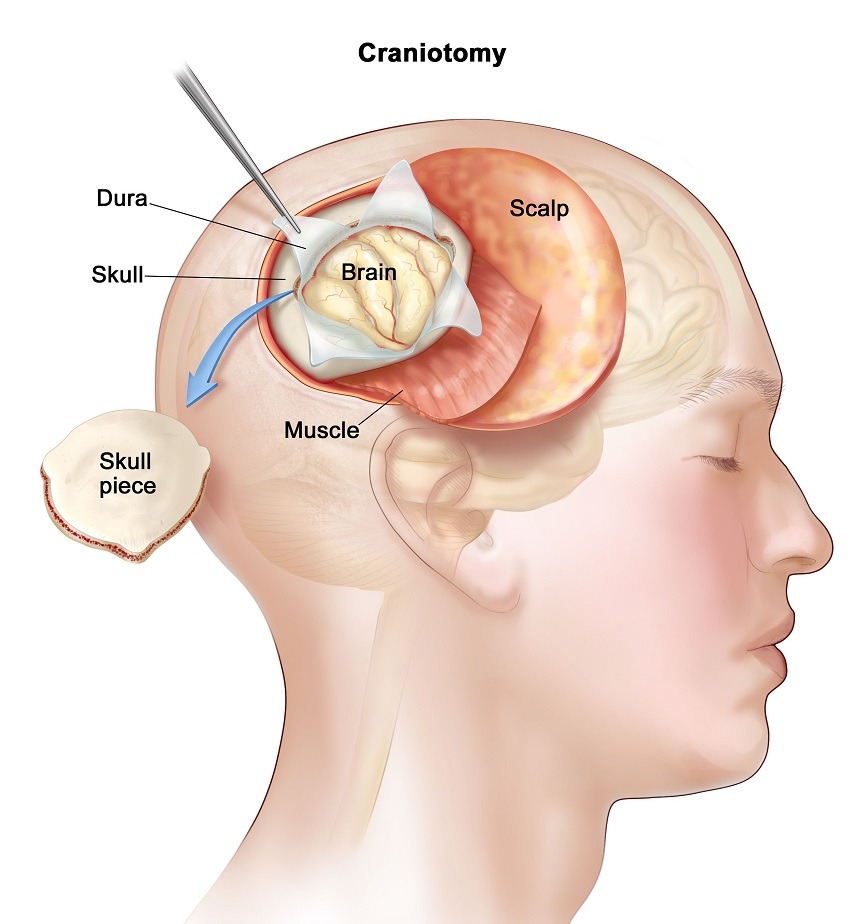
Brain Tumor surgery showing craniotomy and exposed brain anatomy

At Care and Cure, neurosurgeons employ a wide range of advanced surgical approaches tailored to tumor type, size, location, and patient health. Here are the top 7 brain tumor surgery techniques practiced at the hospital:

1. Craniotomy: The Gold Standard

Craniotomy is the most common type of brain tumor surgery. It involves temporarily removing a portion of the skull to access the tumor site. Once the tumor is removed, the bone flap is secured back.

✅ Key Advantages:

  • Allows direct access to large or surface-level tumors

  • Can be performed under general or local anesthesia (for awake surgeries)

  • Precision guidance with intraoperative MRI or neuronavigation

🧠 Use Case:

Ideal for meningiomas, gliomas, and accessible astrocytomas.

Care and Cure Hospital ensures enhanced safety using high-definition 3D visualization systems during craniotomy.

2. Endoscopic Endonasal Surgery (EES)

This minimally invasive brain surgery technique uses an endoscope inserted through the nose and sinus cavities to reach tumors at the base of the skull or near the pituitary gland.

✅ Key Advantages:

  • No visible incision or skull opening

  • Shorter hospital stay and faster recovery

  • Excellent for tumors near the midline brain structures

🧠 Use Case:

Best suited for pituitary tumors, chordomas, and craniopharyngiomas.

Care and Cure uses high-definition neuroendoscopic tools for maximum visualization with minimal disruption.

3. Stereotactic Brain Surgery

Stereotactic surgery is a high-precision method using computer-assisted 3D mapping to guide the surgeon to deep-seated brain tumors through a small burr hole.

✅ Key Advantages:

  • Minimally invasive

  • Accurate targeting of deep or small tumors

  • Often used for biopsy or laser ablation

🧠 Use Case:

Used for glioblastomas, brain stem tumors, and inaccessible lesions.

Care and Cure Hospital has advanced stereotactic systems with real-time imaging guidance.

4. Awake Brain Surgery (Intraoperative Brain Mapping)

In this advanced procedure, the patient is kept awake during part of the surgery to map critical brain functions (like speech, movement, vision) and prevent damage to functional areas.

✅ Key Advantages:

  • Real-time monitoring of brain activity

  • Minimizes risk of impairing essential functions

  • Increases tumor resection accuracy

🧠 Use Case:

Perfect for tumors located near eloquent brain regions like Broca’s or Wernicke’s area.

Care and Cure’s neuro team includes trained anesthesiologists and neuropsychologists for patient safety and cooperation.

5. Laser Interstitial Thermal Therapy (LITT)

LITT is a modern minimally invasive technique using a laser probe to destroy tumor cells through targeted heat under MRI guidance.

✅ Key Advantages:

  • No large incision or bone removal

  • Ideal for patients not eligible for open surgery

  • Fast recovery time (often outpatient-based)

🧠 Use Case:

Useful for glioblastomas, brain metastases, and recurrent tumors.

Care and Cure Hospital offers MRI-guided LITT for precision targeting and maximum tumor ablation.

6. Microsurgery with Neuronavigation

Microsurgery utilizes high-resolution microscopes and neuronavigation to magnify brain structures and remove tumors with delicate precision.

✅ Key Advantages:

  • Preserves healthy brain tissue

  • Reduces surgical trauma

  • Enhances visibility for intricate tumor dissections

🧠 Use Case:

Used for deep-seated tumors and vascular lesions.

At Care and Cure, microsurgical tools are integrated with intraoperative ultrasound and imaging for dynamic real-time feedback.

7. Robotic-Assisted Brain Tumor Surgery

One of the most futuristic surgical methods, this approach uses robotic arms and AI-powered guidance systems for enhanced precision and dexterity.

✅ Key Advantages:

  • Highly stable instrument control

  • Minimally invasive with fewer complications

  • Enhanced precision in millimeter-scale movements

🧠 Use Case:

Effective for hard-to-reach tumors and functional neurosurgeries.

Care and Cure Hospital is one of the few hospitals in India offering robotic-assisted neurosurgery for complex cases.

Preparation for Brain Tumor Surgery

Preoperative Procedures
  1. Neuroimaging Tests: MRI, CT scans, and PET scans to chart the tumor.
  2. Neurological Exam: To evaluate cognitive and physical functioning.
  3. Pre-Surgical Counseling: To respond to inquiries and set expectations.
  4. Anesthesia Evaluation: Determines the patient is a good candidate for the procedure.

All is done with careful steps by multidisciplinary team members in Care and Cure to ensure both medical safety and emotional care.

What to Expect After Brain Tumor Surgery

Recovery is likely to be highly individualized depending on the type of surgery, the tumor’s location, and one’s overall health. Here’s what most can typically expect:

Immediate Post-Surgery Period
  • ICU monitoring for 24 to 48 hours
  • Nausea and swelling are frequent but managed with medication
  • Imaging to confirm tumor removal
Hospital Stay
  • Average length of stay is 3 to 7 days
  • Physical and occupational therapy can start in-hospital
At-Home Recovery
  • Recovery to daily activities is gradual
  • Follow-up with the surgical team as usual
  • Seizure or swelling medication if ordered

For postoperative follow-up, concerns or questions, don’t hesitate to reach out to the Care and Cure team.

Long-Term Recovery and Rehabilitation

Rehabilitation is important in aiding patients in regaining function and quality of life. The process may involve:

  • Physical Therapy: To increase mobility and strength
  • Speech Therapy: Especially useful in the case of damage to the language centers
  • Cognitive Therapy: Focusing on memory, attention, and problem-solving

Personalized plans are formulated by neurology and rehabilitation experts at Care and Cure to treat each phase of a patient’s recovery process.

When to Get a Second Opinion

If you are unsure of a recommended course of treatment or having a complicated case, it is wise to obtain a second opinion. A second evaluation will confirm the diagnosis, introduce some additional options, or provide peace of mind. Care and Cure provides a fresh perspective to patients.

Why Choose Care and Cure Hospital for Brain Tumor Surgery?

Brain Tumor Surgery and recovery concept with highlighted brain pain

Choosing the right hospital for brain tumor surgery can significantly impact recovery, long-term health, and quality of life. At Care and Cure Hospital, every patient receives world-class medical care backed by a compassionate, multidisciplinary team. Here’s why this hospital stands out as one of the best choices for brain tumor treatment in India:

🧠 1. Expert Neurosurgeons with Global Experience

Care and Cure Hospital boasts a team of highly qualified neurosurgeons trained at top institutions in India and abroad. With years of experience handling complex brain tumor surgeries—including those near critical brain regions—our surgical team ensures precision, safety, and positive outcomes.

⚙️ 2. Advanced Surgical Technologies

From intraoperative MRI, neuronavigation systems, and stereotactic guidance, to robotic-assisted surgery and laser interstitial thermal therapy (LITT), Care and Cure is equipped with cutting-edge tools that enable safe tumor removal, even in high-risk areas.

🩺 3. Personalized Treatment Plans

No two tumors are the same. Our team develops individualized care plans based on tumor size, location, pathology, and your overall health. Whether it’s minimally invasive surgery or awake craniotomy, the technique is tailored to you.

🤝 4. Multidisciplinary Tumor Board Approach

Your care is managed by a team of specialists—neurosurgeons, oncologists, radiologists, anesthetists, and rehabilitation therapists—who review every case jointly. This team-based approach ensures the highest standards of safety and success.

🛌 5. Comprehensive Pre- and Postoperative Care

From detailed diagnostics (MRI, PET-CT) to pre-surgical counseling, and ICU-level post-op monitoring, every stage of your journey is handled with precision and care. Recovery support includes speech therapy, physiotherapy, occupational therapy, and neuropsychology.

📉 6. Higher Success Rates, Fewer Complications

Due to the use of precision tools, intraoperative monitoring, and a skilled team, Care and Cure Hospital reports significantly lower complication rates and higher tumor resection success rates compared to standard benchmarks.

❤️ 7. Patient-Centric Support System

Emotional, mental, and social well-being matter just as much as clinical outcomes. Our dedicated patient coordinators, counselors, and support staff ensure your comfort, clarity, and confidence throughout your treatment journey.

Care and Cure Hospital combines the best of advanced neurosurgical care with a deeply human approach. If you or a loved one is facing the challenge of a brain tumor, trust a hospital that delivers excellence in both science and service.

Conclusion: Personalized, Precision Brain Tumor Care

Facing brain tumor surgery may be intimidating, yet proper information and specialist care team are all it takes to tip the balance in favor of comfort and recovery. At Care and Cure Hospital, patients have the best of technology, experienced neurosurgeons, and prolonged post-operative care. With a patient-centric philosophy, we deliver to every patient the best and compassionate care.

Ready to continue on your care journey? Reach out to our specialists today through our Neurology Department or Contact Us. Let us help you continue forward with hope and confidence.

FAQs

  1. What are the latest surgical treatments for brain tumors?

    At Care and Cure, we offer advanced brain tumor surgeries like microsurgery, neuro-navigation-guided surgery, and minimally invasive craniotomy. For complex cases, we use intraoperative MRI, neuro-endoscopy, and awake brain surgery to protect vital brain areas and improve recovery. Our goal is to remove as much of the tumor as safely possible.

  2. Is brain tumor surgery safe?

    Yes, with today’s technology and expert neurosurgeons, brain tumor surgery is much safer. At Care and Cure, we use image-guided tools and real-time brain mapping to minimize risks. While every surgery has some risk, our team works to protect brain function and reduce complications.

  3. How long is the recovery after brain tumor surgery?

    Recovery time depends on the type and location of the tumor. Most patients stay in the hospital for 3–7 days. You may need physical therapy or speech therapy afterward. Full recovery can take a few weeks to months, but many people return to daily activities within a few weeks.

  4. What are the signs that someone might need brain tumor surgery?

    Surgery may be needed if the tumor causes:

  • Severe headaches
  • Seizures
  • Vision or speech problems
  • Weakness or memory loss
    MRI or CT scans confirm the diagnosis. If the tumor is growing or pressing on the brain, surgery is often the best option.
  1. Can all brain tumors be removed with surgery?

    Not all, but many can. If the tumor is in an accessible area and not affecting vital brain functions, complete removal is possible. In some cases, only part of the tumor is removed to reduce pressure. Other treatments like radiation or chemotherapy may follow.

Facing a brain tumor can be challenging, but expert care makes all the difference. Trust Care and Cure Hospital for safe, advanced brain tumor surgery and compassionate support.

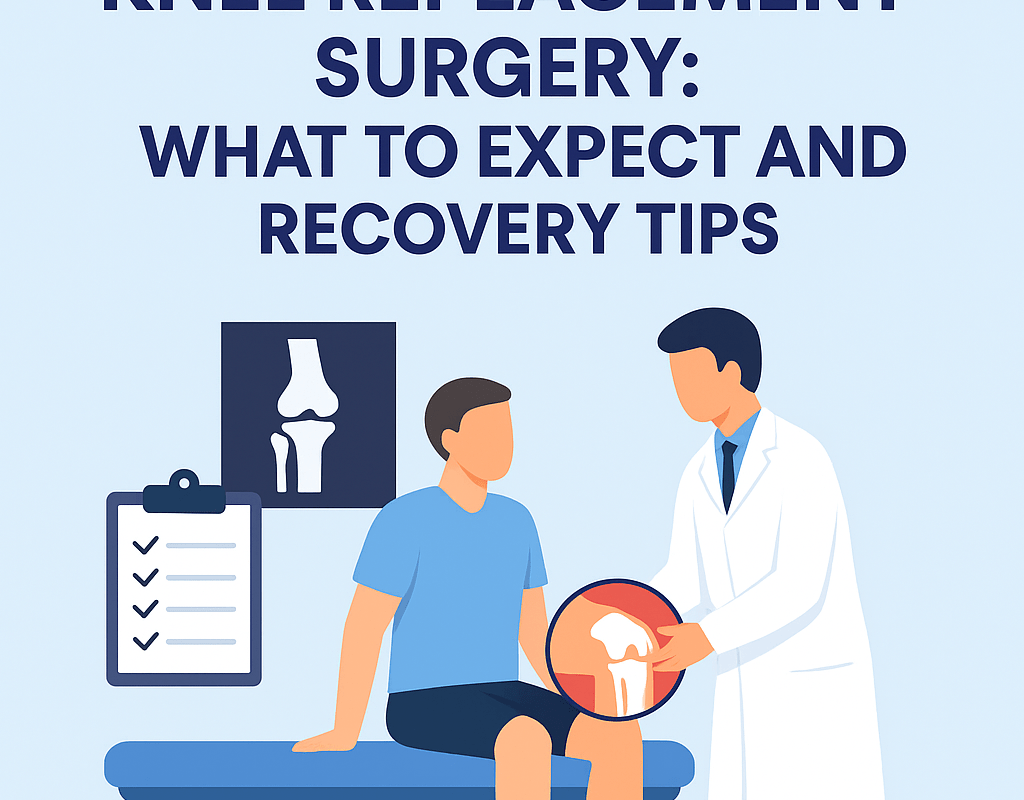
Illustration of a doctor consulting a patient about knee replacement surgery, with Care and Cure Multi-speciality Hospital branding.

Knee Replacement Surgery: What to Expect and Recovery Tips

Knee pain can restrict you from doing anything, affect your lifestyle, and turn day-to-day activities into a chore. For individuals with advanced arthritis or extensive knee injury, knee replacement surgery can be life-altering. So what does occur in this surgery, and how do you prepare for a successful recovery?

This website offers a concise and informative overview of what to anticipate from knee replacement surgery—pre, during, and post. We’ll also offer tips in rehabilitation to facilitate healing well and getting back to your routine.

What Happens During Knee Replacement Surgery?

Knee replacement surgery, also called knee arthroplasty, is a carefully planned procedure designed to relieve chronic knee pain and restore joint function—especially in patients suffering from osteoarthritis, rheumatoid arthritis, or severe knee injury. Understanding what actually happens during the surgery can ease anxiety and help patients feel more prepared for the journey ahead.

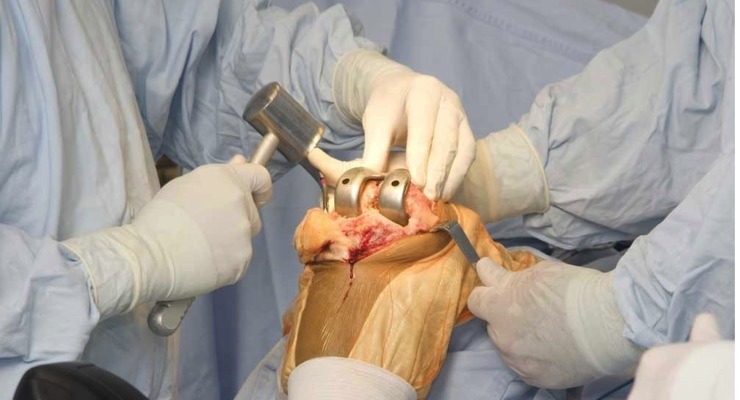
Knee replacement surgery procedure showing metal implant placement by surgeons

Pre-Surgery Preparation

Before surgery, patients undergo:

  • Preoperative evaluation: Includes blood tests, imaging (X-ray/MRI), and physical assessments.

  • Anesthesia consultation: Most patients receive spinal or general anesthesia, depending on health and comfort.

  • Fasting & medication adjustments: Patients are usually asked to fast for 6–8 hours and may be advised to stop certain medications temporarily.

Step-by-Step Surgical Procedure

  1. Incision:
    A small incision (6 to 10 inches) is made over the knee to expose the damaged joint.

  2. Removal of Damaged Bone & Cartilage:
    Surgeons trim away the worn-out cartilage and bone at the ends of the femur (thigh bone) and tibia (shin bone) using precision tools.

  3. Implant Placement:
    Custom-fit metal components are attached to the prepared bone surfaces. A plastic spacer is inserted between these metal parts to ensure smooth movement.

  4. Patella Resurfacing (Optional):
    In some cases, the kneecap (patella) is also resurfaced with a plastic component for enhanced joint mobility.

  5. Closure:
    The incision is stitched or stapled closed, and the knee is bandaged and braced.

  6. Duration:
    Most knee replacement surgeries take 1 to 2 hours.

Types of Knee Replacement Surgery

  • Total Knee Replacement (TKR):

    The most common, in which both surfaces of the knee joint are replaced.

  • Partial Knee Replacement (PKR):

    The affected portion of the knee is replaced and a greater part of the natural joint is left intact.

  • Revision Knee Replacement:

    A reoperation to replace or correct a previously placed old prosthesis.

Possible Risks and Complications

While the surgery is safe and widely performed, potential risks include:

  • Infection

  • Blood clots

  • Nerve damage

  • Implant loosening or wear

  • Stiffness in the knee

Orthopedic doctors at Care and Cure Hospital with expertise in the specialty guide patients through personalized treatment plans for each of the above procedures.

Who Could be a Candidate for Knee Replacement Surgery?

Knee replacement is most often suggested to patients with:

  • Chronic pain of the knee that won’t improve with non-surgical treatment
  • Limited mobility that impacts daily activity
  • Severe osteoarthritis or rheumatoid arthritis
  • Abnormalities of the knee

An orthopedic evaluation—comprising imaging studies and physical exams—assists in deciding whether you are a good surgical candidate.

Preparation Before Knee Replacement Surgery

Preparation beforehand might make your surgery and recovery less complicated. The following are things to consider:

Preoperative Steps

  • Medical Evaluations: Your doctor may require lab work, X-rays, and ECGs.
  • Prehabilitation: Stronger, more efficient muscle conditioning exercises to get your body ready.
  • Medication Review: Tell your physician about all medication and supplements.
  • Home Preparation: Create a quiet recovery space at home with items in easy reach.

You can find additional information about joint and orthopedic care on our hospital’s main services page.

What to Expect During Surgery

Knee replacement surgery usually is done under general or spinal anesthesia and lasts about 1 to 2 hours. The following is a step-by-step breakdown:

  1. Anesthesia is given.
  2. The surgeon incises through muscle and tissue over the knee.
  3. Cartilage and bone damage is removed.
  4. Artificial implants are inserted and secured.
  5. The wound is closed and the knee is wrapped.

Fine prosthetics and current methods performed at Care and Cure Hospital minimize complications and enhance outcomes of surgery.

Tips for Recovery after Knee Replacement Surgery

Knee replacement recovery requires time, but judicious adherence to good practice facilitates speedy recovery and mobilization.

  1. Pain Management

Adhere to prescribed pain medication

Use ice packs to reduce swelling

Relax and breathe deeply to alleviate discomfort

  1. Physical Therapy

Start exercising as recommended, usually within 24 hours post-surgery

Follow a customized rehabilitation regimen

Incrementally raise activity level

  1. Wound Care

Keep incision clean and dry

Monitor for infection (redness, discharge, fever)

Avoid immersing the wound in water

  1. Nutrition and Fluid

Consume a well-balanced diet full of protein, vitamins, and mineral

Consume plenty of water to enable tissues to heal

  1. Home Modifications for Safety

Install handrails and grab bars in bathrooms

Use walker or cane to help you

Stay away from stairs, if possible, for first few weeks

For individual post-operative care, do not delay in reaching our care team.

Recovery Timeline: Week-by-Week

🔹 Day 1 to Week 1 – Hospital Stay & Early Mobilization

  • Patients are encouraged to begin moving the knee within 24 hours after surgery.

  • Physical therapy starts early, focusing on gentle movements to improve range of motion.

  • Most patients are discharged within 3 to 5 days, depending on health and mobility progress.

  • Use of walker or crutches is common during this period.

🔹 Weeks 2 to 4 – At-Home Recovery

  • Continue daily exercises as prescribed by the physiotherapist.

  • Pain and swelling are managed with medications, icing, and elevation.

  • Stitches or staples (if used) are usually removed around day 14.

  • Gradual transition to walking without aids, based on strength and balance.

🔹 Weeks 5 to 8 – Strength & Mobility Building

  • Physical therapy intensifies with focus on muscle strengthening and bending the knee up to 90–120 degrees.

  • Driving may be resumed (typically after 6 weeks) if the patient is off pain medications and can control the leg well.

🔹 Weeks 9 to 12 – Return to Normal Activities

  • Most patients resume daily tasks like climbing stairs, shopping, or desk work.

  • Swelling reduces significantly, and knee function continues to improve.

🔹 After 3 Months – Long-Term Recovery

  • Walking long distances and low-impact activities (like swimming, cycling, yoga) become easier.

  • Full recovery may take up to 6–12 months depending on age, fitness level, and commitment to rehab.

Possible Hazards and How to Avoid Them

Generally safe, knee replacement surgery does carry some risks:

  • Blood clots
  • Infection
  • Trouble with the implant or dislocation
  • Nerve or blood vessel damage

Reducing Risk

  • Follow pre- and post-op orders to the very letter
  • Move around (as recommended) to prevent clots
  • Report symptoms that don’t feel right as soon as possible

Care Guidelines for Better Recovery

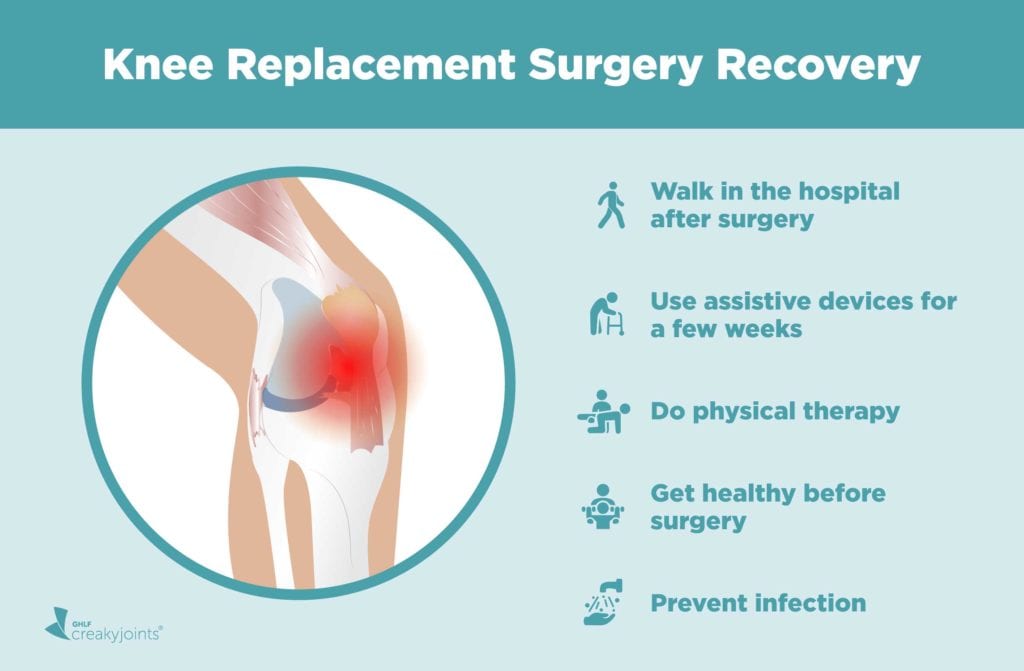
Knee replacement surgery recovery tips with walking, therapy, and infection prevention

1. Follow Your Physiotherapy Plan:
Regular physiotherapy sessions and at-home exercises are the cornerstone of successful recovery.

2. Take Medications as Prescribed:
Pain relief, anti-inflammatory drugs, and antibiotics (if prescribed) should be taken on time to prevent infection and reduce discomfort.

3. Keep the Wound Clean and Dry:
Proper wound care is essential to avoid infections. Watch for redness, oozing, or unusual pain around the incision.

4. Use Ice and Elevation:
Apply ice packs for 15–20 minutes several times a day and elevate your leg to control swelling.

5. Eat a Nutritious Diet:
A balanced diet rich in protein, calcium, iron, and fiber supports faster healing and strengthens bones.

6. Avoid High-Impact Activities:
Activities like running, jumping, or twisting motions should be avoided permanently to protect the implant.

7. Monitor for Warning Signs:
Seek immediate medical attention if you experience:

  • Fever

  • Chest pain or shortness of breath

  • Swelling in the calf

  • Persistent bleeding from the wound

Discover more about care in-depth at Care and Cure Hospital, as well as how our surgical teams assist in reducing post-operative complications.

Conclusion: Towards Pain-Free Life

Replacement of the knee will most likely enhance the well-being of patients with chronic joint pain. With current surgical methods and well-planned rehabilitation, the majority of patients can expect to go back to active, pain-free existence.

If you’re considering knee replacement or have questions about recovery, our team at Care and Cure Hospital is here to help. Get in touch today to take the first step toward healing and mobility.

FAQs

  1. What is knee replacement surgery?

    Knee replacement surgery, also called knee arthroplasty, is a procedure where damaged or worn-out parts of the knee joint are removed and replaced with artificial implants. It helps relieve pain, improve mobility, and restore daily activity in people with severe arthritis or injury.

  2. When should someone consider knee replacement?

    If knee pain is constant, affects sleep, limits walking, or doesn’t get better with medicine or therapy — surgery might be needed. People with osteoarthritis, rheumatoid arthritis, or old injuries often benefit the most. It’s about improving quality of life.

  3. Is knee replacement surgery safe?

    Yes, it’s a common and safe procedure when done by experienced surgeons. At Care and Cure, we use advanced tools and techniques, like minimally invasive surgery and computer navigation, to make recovery smoother and reduce risks like infections or stiffness.

  4. How long does it take to recover from knee replacement?

    Most patients can walk with help in 1–2 days and go home within 3–5 days. Full recovery takes 6–12 weeks, depending on your age, fitness, and therapy. Doing physiotherapy daily is key for regaining strength and full motion.

  5. What can I do to recover faster after knee replacement?

    Follow your physiotherapy plan strictly, keep moving (even slowly), and maintain a healthy diet. Avoid sitting too long, and use support devices (walker/stick) as advised. Don’t skip follow-ups with your doctor. Staying active is the best way to heal quickly.

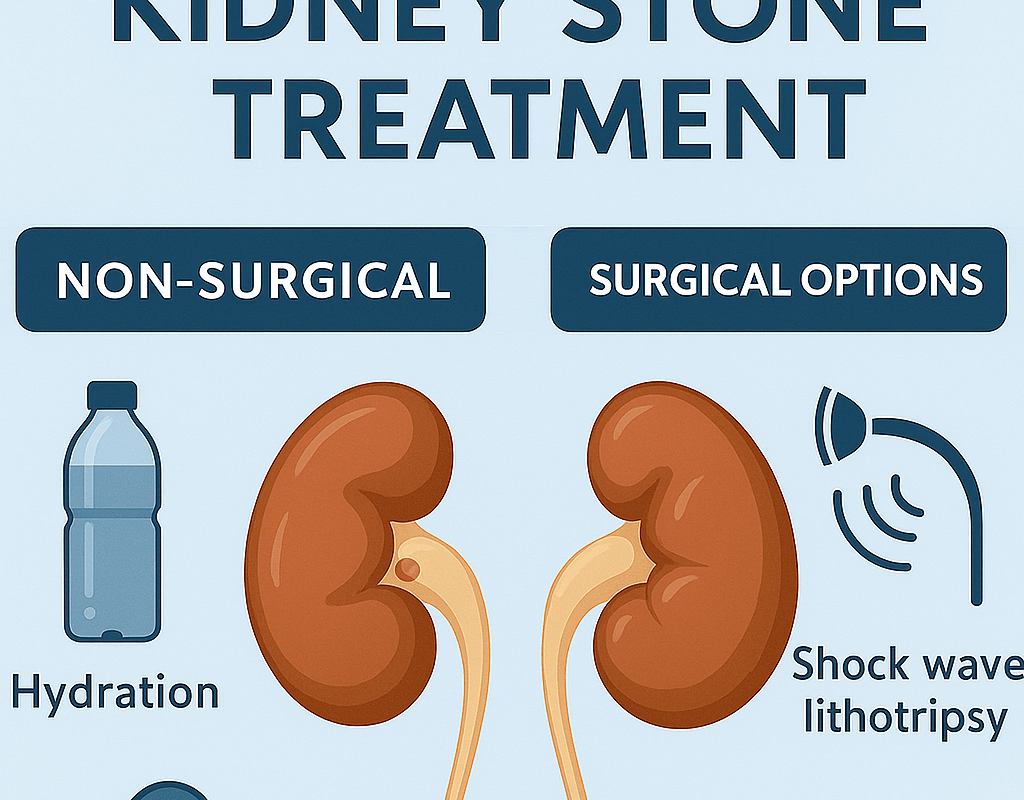
Educational graphic showing kidney stone treatment options—non-surgical and surgical—featuring kidney illustrations and icons for hydration, medication, and shock wave lithotripsy.

Kidney Stone Treatment : Non -Surgical vs. Surgical Options

Kidney stone are painful and disruptive, but the good news is that treatment has come much further. If you or a family member has been diagnosed with kidney stones, it’s crucial to know what treatments are out there. This blog talks about non-surgical and surgical treatments for kidney stones so you can make informed decisions about treatment and recovery.

Understanding Kidney Stones

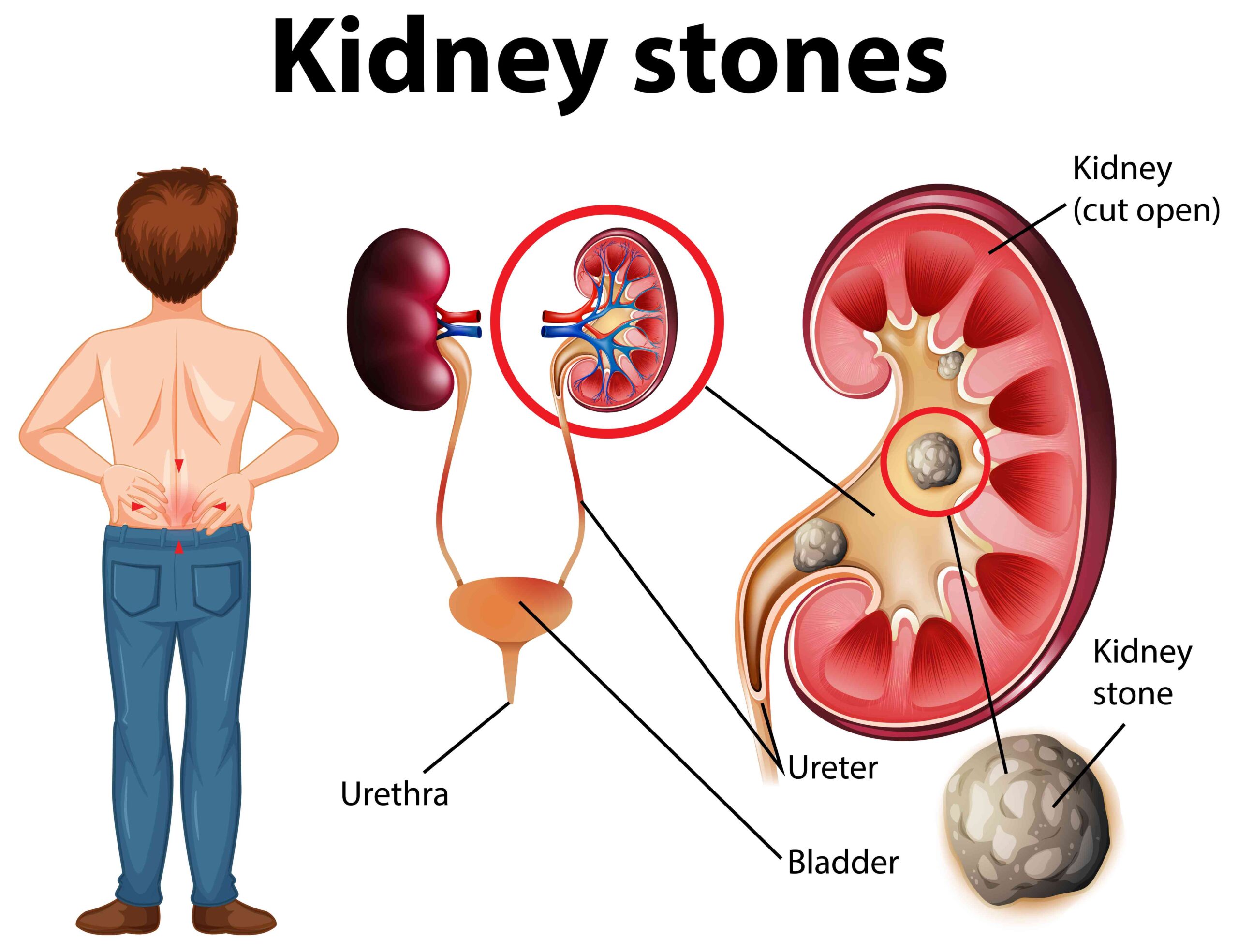
Kidney stones are solid deposits of mineral and salt in the kidneys. They are various sizes and travel through the urinary tract, which is extremely painful.

Kidney stones diagram showing location in kidney, ureter, bladder, and symptoms

Common Symptoms:

  • Sharp pain in the back or lower abdomen
  • Hurtful urination
  • Cauterization of the urine
  • Nausea and vomiting
  • Urinating excessively

Learn more about urological disorders and treatments on our Urology Services page.

What Causes Kidney Stones

Several reasons can cause the development of kidney stones, including:

  • Dehydration
  • Ingestion of too much protein, sodium, or sugar
  • Obesity
  • Gastrointestinal disease or surgery
  • Certain supplements or medication

Non-Surgical Treatments for Kidney Stones

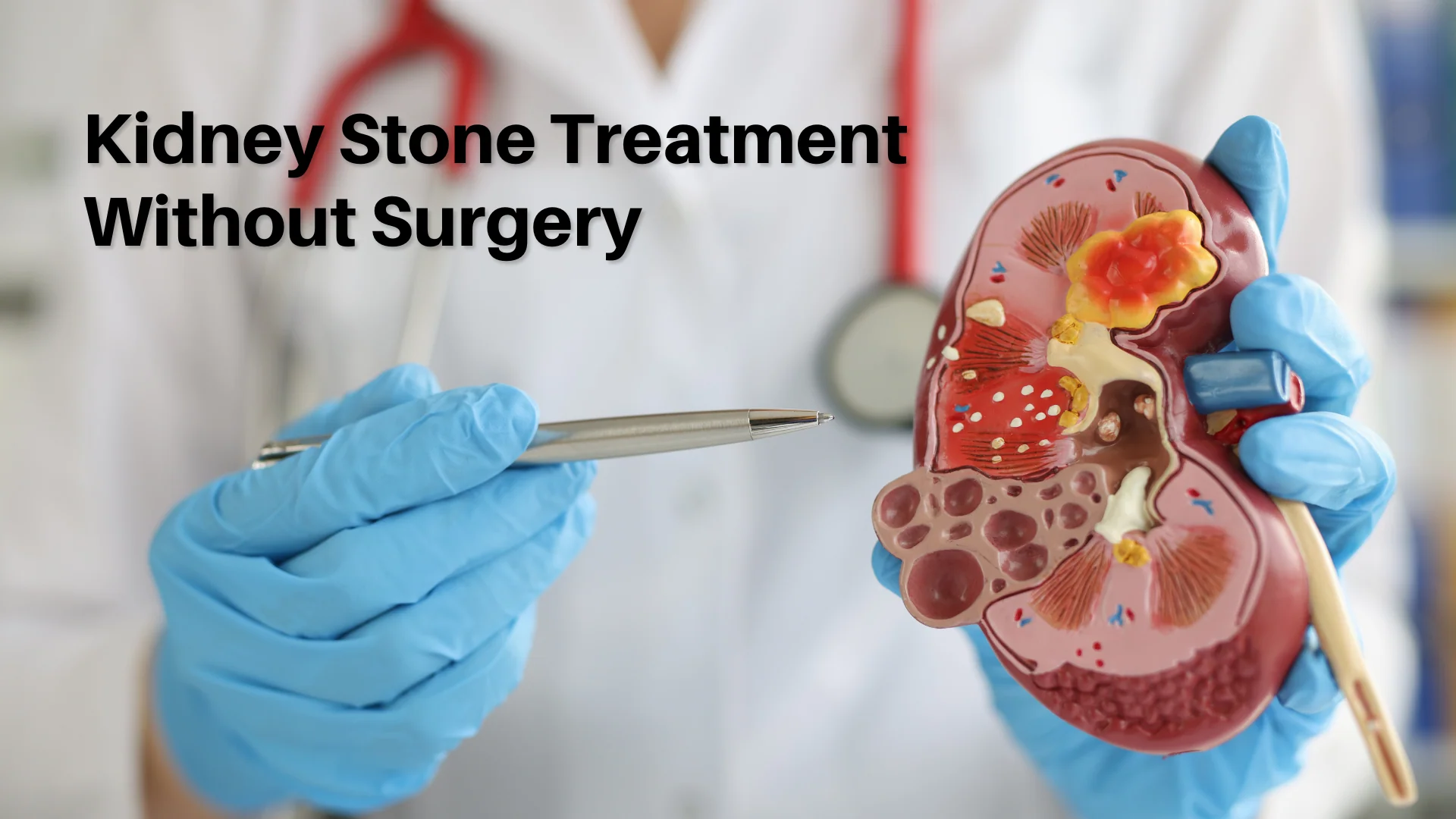
Kidney stone treatment without surgery explained by doctor using kidney model

Small stones are usually treated with non-surgical treatment that will pass independently or with the assistance of medication.

  1. Increased Fluid Intake

Drinking a lot of water is the simplest and most effective treatment. Drinking a lot of water will naturally pass out the stones.

  1. Pain Control

Over-the-counter or prescription pain medicines can be used to treat the discomfort as the stone passes.

  1. Medical Expulsive Therapy (MET)

Physicians prescribe alpha-blockers, which can relax the muscles in your ureter, enabling stones to pass more easily.

  1. Dietary Changes

Reducing salt intake, limiting animal proteins, and excluding foods high in oxalate prevents additional stone growth.

  1. Observation and Monitoring

In case the stone is small and is not complicating, physicians may advise a wait-and-see plan.

Benefits of Non-Surgical Intervention:

  • Less invasive
  • Low cost
  • Shorter recovery duration

However, not all stones can be treated non-surgically. That’s when surgery is indicated.

Surgical Treatment of Kidney Stones

When kidney stones are too large, cause blockage, or become infected, surgery is indicated.

  1. Extracorporeal Shock Wave Lithotripsy (ESWL)

A non-surgical procedure that uses the shock sound waves to break stones into tiny pieces which are eliminated through urine.

Pros:
  • No cut is required
  • Outpatient surgery
Cons:
  • Will require more than one session
  • Not suitable for all stone sizes and locations
  1. Ureteroscopy

The stone is disintegrated or removed with a laser after passing a small scope through the bladder and urethra.

Pros:
  • Suitable for mid to lower ureteral stones
  • Fast recovery
Cons:
  • Requires anesthesia
  • Possible stent insertion
  1. Percutaneous Nephrolithotomy (PCNL)

For extremely big or complex stones, a small cut is created in the back to directly take out the stone from the kidney.

Pros:

Very good at removing large stones

Cons:
  • Surgical
  • Hospital stay

Visit our Urology Department to learn about which procedures we offer and what might work best for you.

Choosing the Best Treatment Option

The best treatment depends on several factors:

  • Stone size and position:

    Small stones may pass by themselves, but bigger ones may need surgery.

  • Infection:

    Infections make non-surgical treatment potentially unsafe.

  • General health:

    Individuals who have other diseases may be unable to manage certain procedures.

Recovery and Aftercare

Regardless of the form of treatment employed, follow-up care is important to avoid recurrence.

Hints for a Smooth Recovery:

  1. Stay Hydrated: Drink minimum 2-3 liters of water daily.
  2. Follow Prescribed Diet: Your doctor might suggest avoiding salt and protein intake.
  3. Follow Medication as Directed: Painkillers, antibiotics, or medications to prevent stone formation.
  4. Watch for Complications: Let your doctor know if you experience fever, severe pain, or difficulty urinating.

Need to make a follow-up or visit a urologist? Visit our Contact Page.

Preventing Kidney Stones

Once you have had a kidney stone, you are at increased risk of developing another. But there are steps you can take to prevent them:

  • Drink More Fluids: Water will thin out substances that will prevent stones from forming.
  • Adjust Your Diet: Cut down on sodium, animal protein, and oxalate foods like spinach and nuts.
  • Watch Calcium Use: Don’t overdo it, but don’t exclude it either.
  • Healthy Weight: Obesity is a risk factor for kidney stones.
  • Regular Checkups: Regular checkups can detect stones early before they become symptomatic.

Learn more preventive care tips at Care and Cure Hospital.

Conclusion: Informed Decision Making

Kidney stones are a common but treatable illness. Knowing the choices of non-surgical and surgical options places you in control to make the most informed decisions possible based on your personal health needs. From diet change to cutting-edge surgery, many options are available.

With a diagnosis of kidney stones, don’t wait. Turn to the experienced urology team at Care and Cure Hospital for expert guidance and treatment personally tailored for you.

Step into relief – Call us today.

FAQs

  1. What are the non-surgical treatments for kidney stones?

    Small stones (usually under 5 mm) can often pass naturally with enough water, rest, and medication. Doctors may give painkillers, alpha-blockers, or diuretics to help the stone move out faster. This is called medical expulsive therapy and works best for small, uncomplicated stones.

  2. When does a kidney stone need surgery?

    Surgery may be needed if the stone is:

  • Too large to pass (over 6 mm)
  • Causing severe pain or infection
  • Blocking urine flow
  • Not passing after 3–4 weeks
    In such cases, surgical options like laser treatment or shockwave therapy are recommended.
  1. What are the main surgical options for kidney stones?

    There are three common methods:

  1. ESWL (Shockwave Therapy): Non-invasive; uses sound waves to break stones.
  2. URS (Ureteroscopy with laser): A thin tube is used to find and break stones with a laser.
  3. PCNL (Percutaneous Nephrolithotomy): For large stones; involves a small incision in the back.
  1. Is surgery for kidney stones painful?

    Modern surgical treatments are mostly minimally invasive and done under anesthesia. Patients feel little to no pain during surgery. Recovery is usually fast — you may go home the same or next day. Pain after the procedure is manageable with medicine.

  1. How do I know which treatment is right for me?

    Your doctor will suggest treatment based on:

  • Stone size and location
  • Your pain level
  • Urinary blockage
  • Infection risk
    In general, small stones = non-surgical; larger or stubborn stones = surgical. Imaging tests like ultrasound or CT scans help make the best decision.
Ahmedabad’s Leading Heart Care Center

Why Care and Cure is Ahmedabad’s Leading Heart Care Center

Heart diseases are the silent killers of today’s time. As a result of the changing lifestyle, more stress, improper diet, and physical inactivity, the rate of heart-related ailments has increased exponentially in India. In places such as Ahmedabad, where city life is highly stressful, there is a need for a good quality, efficient heart care center more than ever.

This is a place where Care and Cure Hospital stands out like a beacon of excellence and confidence. Its internationally accepted cardiac care, specialized medical staff, and patient-orientated culture have earned Care and Cure the top heart care center in Ahmedabad. But what distinguishes it from any other hospital?

In this article, we’ll explore all the reasons why Care and Cure is considered the top destination for heart care in Ahmedabad. From advanced technology to a holistic approach to treatment, we’ll break down what makes it a preferred choice for patients and families.

Heart disease text with red heart symbol on healthcare newspaper background

The Rise of Heart Diseases in India: A Serious Health Concern

India is facing a new epidemic of cardiovascular diseases (CVDs), which are now the cause of death in India. Keep the following facts in mind:

  • Cardiovascular disease is causing more than 25% of deaths on Indian soil.
  • Young adults, especially from the urban population, are becoming victims of heart disease.
  • Physical inactivity, smoking, hypertension, and diabetes are majorly responsible for cardiac risks.

In this critical state, access to specialized and urgent cardiac care is no longer optional—it’s a requirement.

What Makes Care and Cure Stand Out from the Rest in Cardiac Excellence

  1. State-of-the-Art Infrastructure and High-Tech Cardiac Equipment

Care and Cure Cardiology Department boasts the finest equipment and technology to diagnose and treat even the most complex heart ailments.

The hospital provides:

  • A separate Cardiac Catheterization Lab for interventional cardiology
  • Round-the-clock Emergency Heart Care Services
  • Digital Electrocardiograms (ECG) and state-of-the-art Echocardiography equipment
  • Holter monitors, treadmill tests (TMT), and cardiac CTs for accurate diagnosis

These devices enable cardiologists to make instant and correct decisions, in most instances a question of life and death in an instance of urgency.

View the complete list of cardiology procedures on the Cardiology Department page.

  1. A Team of Best-of-the-Best Cardiologists and Specialists

The hospital boasts some of Ahmedabad’s most renowned heart specialists. Care and Cure has assembled a team with:

  • Experienced interventional cardiologists for complicated angioplasties
  • Specialist electrophysiologists to treat arrhythmias
  • Cardiothoracic surgeons to perform open-heart and endoscopic surgeries
  • Trained staff and nurses who have expertise in cardiac care protocols

Their multidisciplinary and team-based philosophy ensures every patient receives inclusive and personalized care.

  1. The Patient-Centered, Individualized Care Plans

Not only are the patients treated at Care and Cure here at home—They’re heard. The specialists craft customized care plans from:

  • Medical and lifestyle history
  • Current risk factors
  • Family and genetic history

Besides medicine and procedure, the hospital provides:

  • Diet and lifestyle guidance
  • Cardiac rehabilitation therapy
  • Follow-ups often to avoid recurrence

It’s an integrated model so that healing becomes sustainable and long-term.

Heart Care Services at Care and Cure: Complete & Trustworthy

Below is the list of major cardiology services provided:

Interventional Cardiology Procedures

  • Coronary angiography and balloon angioplasty
  • Stent implantation (drug-eluting and bioresorbable)
  • Pacemaker and ICD placement
  • Peripheral and carotid interventions

Non-Invasive Diagnostic Services

  • 2D and 3D Echocardiograms
  • TMT (Treadmill Stress Testing)
  • Holter monitoring for arrhythmia detection
  • Cardiac CT and MRI

Surgical Cardiac Care

  • Coronary Artery Bypass Grafting (CABG)
  • Valve repair and replacement
  • Minimally invasive heart surgeries

All operations are performed according to international standards and under the supervision of highly trained professionals.

Why Care and Cure is a Name to Be Counted in Heart Care

  1. Unbroken Patient Experience

Care and Cure values convenience and efficiency. Patients enjoy:

  • Less waiting time for diagnosis and treatment
  • In-hospital pharmacy and diagnostic facilities
  • Online appointment scheduling
  • Cashless claim support and insurance services
  1. Prevention and Education for Patients

In addition to treatment, the hospital provides:

  • Health camps and educational programs on diabetes and avoidable diseases
  • Heart disease prevention community health initiatives
  • Corporate heart health initiatives
  • Cardiac screening camps at concessional and free rates

Through awareness, Care and Cure does more than heal—prevents heart diseases from occurring at all.

Patient Pathway at Care and Cure: What to Expect

Heart pain or heart attack symptoms shown with ECG line and man clutching chest

Your diagnostic-to-recovery journey at Care and Cure generally includes:

  1. Pre-Journey Assessment: Cardiologist consultation and symptom assessment
  2. Diagnostic Tests: ECG, Echo, or angiography, depending on the case
  3. Treatment Plan: Individual therapies are administered based on findings
  4. Procedures or Surgery: Where necessary, latest interventions are done
  5. Post-Treatment Treatment: Includes medications, diet therapy, and cardiac rehabilitation

Ready to book an appointment? Reach us through the Contact Us page.

Accessibility and Support for All

Located in one of Ahmedabad’s large healthcare hubs, the hospital is easily accessible by road and public transport. Other benefits are:

  • 24/7 ambulance and ICU support
  • International patient care and medical tourism
  • Multilingual, courteous staff to assist at every step

To know more about all services provided, visit the official website.

Conclusion: Leading Heart Care That You Can Trust

Your heart is one of the most important organs in your body—and it must be treated with the finest possible care. Care and Cure Hospital Ahmedabad not only offers the latest medical information but also care, commitment, and individualized care. With its great reputation, first-world facilities, and superlative professionals, it is indeed well-deservedly Ahmedabad’s first choice heart care center

No matter if you require preventive check-ups or cardiac procedures, Care and Cure is dedicated to offering you the care you require, when you require it.

Take Action Now

If you, or someone close to you, are experiencing any signs of a heart condition, don’t hesitate. Early detection can be life-saving.

Schedule your appointment at Care and Cure today and start your path towards improved heart health.

FAQs

1. What heart conditions are treated at Care and Cure in Ahmedabad?

Care and Cure Hospital offers comprehensive treatment for a wide range of cardiovascular conditions including coronary artery disease (CAD), heart attack, arrhythmia, heart failure, hypertension, and valvular heart diseases. The hospital provides both non-invasive and interventional cardiology services, along with advanced cardiac surgery, ensuring complete cardiac care under one roof.

2. What advanced heart care technologies does Care and Cure use?

Care and Cure Hospital is equipped with cutting-edge cardiac diagnostic and treatment technologies such as 2D/3D echocardiography, stress testing, Holter monitoring, angiography, angioplasty, pacemaker implantation, and bypass surgery (CABG). Their state-of-the-art cardiac ICU and cath lab ensure safe and accurate treatment with faster recovery.

3. Are heart specialists at Care and Cure experienced?

Yes, the cardiology team at Care and Cure Hospital includes highly qualified, board-certified cardiologists and cardiac surgeons with years of expertise in handling critical heart cases. Their multidisciplinary approach ensures patients receive personalized treatment plans based on their condition and medical history.

4. Does Care and Cure provide emergency heart care?

Absolutely. Care and Cure Hospital offers 24×7 emergency cardiac services, including rapid response for heart attacks, chest pain, and other cardiac emergencies. Their dedicated cardiac ambulance, on-call cardiologists, and emergency cath lab access make them one of the most trusted heart emergency centers in Ahmedabad.

5. What makes Care and Cure the best heart care center in Ahmedabad?

Care and Cure stands out due to its patient-first philosophy, cutting-edge cardiac infrastructure, compassionate staff, and proven track record of successful heart treatments. With a focus on affordable care, timely diagnosis, and long-term cardiac rehabilitation, it’s considered Ahmedabad’s leading center for comprehensive heart care.

Hi, How Can We Help You?