
Gallbladder removal surgery sounds kinda serious, right? But it’s more common than you might think. Lots of people go through it and come out just fine (better even!). The goal here isn’t to throw a bunch of complicated medical stuff at you, but to explain everything in plain simple english. Like if your friend sat down and said, “Okay, here’s how this goes.”
And don’t worry, we’ll talk about everything—before, after, and all the in-between stuff. Oh, and yes, the gallbladder is a weird little organ, but we’ll make it less mysterious, promise.
🏥 Preparing Your Gallbladder and Body for Surgery
Before undergoing gallbladder removal surgery, proper preparation is essential to ensure a smooth procedure and successful recovery. Whether you’re dealing with gallstones, inflammation, or a malfunctioning gallbladder, getting your body ready for surgery helps reduce complications and anxiety.
🧪 1. Medical Tests and Imaging
Your doctor will perform several tests to confirm that removing the gallbladder is the right step. These may include:
Ultrasound or CT scan to detect gallstones or inflammation in the gallbladder.
Liver function tests to check how your liver is working alongside the gallbladder.
Blood tests to evaluate overall health and rule out infections or other conditions.
These diagnostics help your surgical team better understand the condition of the gallbladder and surrounding organs.
🍽️ 2. Fasting and Dietary Changes
You’ll likely be asked to avoid food and water for at least 6–8 hours before surgery. If you’re taking medications for diabetes, blood pressure, or other conditions, your doctor will provide instructions on whether to continue or pause them.
Some patients may also be advised to switch to a low-fat diet in the days leading up to surgery, especially if the gallbladder is inflamed or causing digestive issues.
💊 3. Review of Medications and Allergies
It’s important to inform your surgeon about:
All prescription and over-the-counter medications.
Herbal supplements that might affect blood clotting.
Any known allergies to medications, especially anesthesia.
This ensures that all necessary precautions are taken before removing the gallbladder.
👕 4. What to Bring on Surgery Day
Pack lightly. Essentials include:
Insurance documents and ID
A list of your medications
Comfortable, loose clothing for post-op wear
Any assistive devices like eyeglasses or hearing aids
Also, arrange for a family member or friend to accompany you and drive you home, as you won’t be able to drive after anesthesia.
👨⚕️ 5. Mental Preparation
Understanding the surgery reduces anxiety. You’ll typically meet your anesthesiologist and surgeon before the procedure. Most gallbladder surgeries are done laparoscopically, meaning smaller incisions, less pain, and faster recovery. Your surgical team at Care and Cure Hospital will walk you through the process so you feel informed and confident.
💪 Recovery After Gallbladder Removal
Recovering from gallbladder surgery—also known as cholecystectomy—varies depending on the type of procedure performed. Most patients undergo a laparoscopic surgery, which is minimally invasive and offers quicker healing. However, if the condition of the gallbladder was complicated, an open surgery might be needed, extending recovery time.
🛌 1. Immediate Post-Surgery Care
After surgery, you’ll be moved to a recovery room where your vital signs are monitored. It’s common to feel:
Soreness near the incision sites
Bloating or gas pain in the shoulder, due to the carbon dioxide used to inflate the abdomen during laparoscopic surgery
Fatigue, especially from the anesthesia
Most patients are discharged within 24 hours of laparoscopic gallbladder removal, but open surgery may require a 2–3 day hospital stay.
🏡 2. At-Home Recovery Tips
At home, rest is important. Here are some helpful practices:
Keep the incision clean and dry
Avoid strenuous activity or heavy lifting for 1–2 weeks (up to 6 weeks for open surgery)
Take medications as prescribed for pain and inflammation
You can walk short distances right away—it aids circulation and healing—but always follow your doctor’s advice based on the condition of the gallbladder at the time of surgery.
🥗 3. Diet After Gallbladder Removal
Without the gallbladder, your body can still digest food, but you might initially face:
Loose stools
Bloating
Difficulty digesting fatty or greasy meals
To manage these symptoms:
Eat small, frequent meals
Avoid fried, spicy, or high-fat foods
Slowly reintroduce fiber-rich foods to aid digestion
Most people adapt within a few weeks and lead a normal life without the gallbladder.
⏳ 4. Timeline for Full Recovery
Here’s what to expect:
Laparoscopic surgery: Back to light activities within 3–5 days, full recovery in 1–2 weeks.
Open surgery: May take 4–6 weeks for full recovery.
Always attend your follow-up appointment to check incision healing and ensure there are no signs of infection or complications.
🔄 5. Long-Term Adjustments
Though you can live a healthy life without the gallbladder, a few lifestyle changes may help:
Maintain a low-fat diet
Stay active to support digestion
Stay hydrated and eat fiber to avoid constipation
Your team at Care and Cure Hospital will provide a personalized recovery plan based on your unique health needs.
Why even remove the gallbladder?
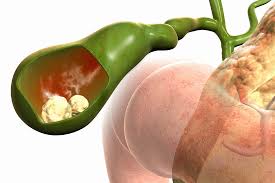
So, first things first—why are doctors even talking about taking your gallbladder out? Usually it’s cuz of gallstones, which are basically like tiny rocks that form inside the gallbladder and can cause super annoying pain. Some people feel this sharp pain in their belly, others feel bloated or sick after eating.
There’s also things like infection or inflammation (fancy word: cholecystitis), or very rare cases like polyps or gallbladder cancer. But don’t panic. Most of the time it’s the gallstones causing all the drama.
And guess what? You can totally live without a gallbladder. Your liver will still do it’s job.
Getting ready for surgery (it’s not as scary as it sounds)
If your doctor (maybe at Care and Cure Hospital) says you need surgery, don’t freak out. The preparation is pretty chill.
- First, you’ll meet the doctor and have a little chat about your health, meds, maybe do some blood tests or a scan.
- You’ll probably need to stop eating 6–8 hours before surgery. No midnight snacks, sorry!
- Some meds, like blood thinners, may need to be paused. Your doc will tell you.
- And yes—definitely have someone to drive you home and maybe stay with you that night. You’ll be a bit loopy after.
And if you’re anxious, that’s totally normal. Like, everyone gets nervous before surgery, even if they’ve done it before.

What’s the actual surgery like?
So let’s be real, no one wants surgery. But gallbladder removal is usually done through laparoscopic surgery, which is way easier on your body than old-school open surgery.
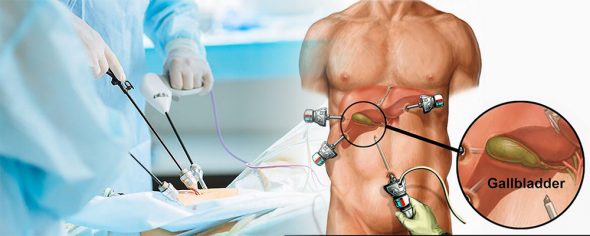
They make 3 or 4 tiny cuts in your belly, insert a little camera, and remove the gallbladder with small tools. That’s it. You’re asleep the whole time. The surgery usually takes around 1 or 2 hours.
In some rare cases, if things are more complicated, they might need to switch to open surgery with a bigger cut. But that’s not very common.
The cool part? Because it’s done with such small cuts, you’ll heal quicker and have smaller scars. Win‑win.
After surgery – what’s it feel like?
Right after, you’ll wake up kinda groggy in the recovery area. You might feel a bit sore or nauseous (don’t worry, it goes away). Nurses will check your vitals and make sure you’re doing okay.
Most people go home the same day unless the doctor wants to keep an extra eye on you for a night.
You’ll probably feel a little pain around the cuts and might feel a bit bloated (like, ughh). But nothing major, and they’ll give you medicine for the pain if needed.
Don’t plan on doing much right away. It’s Netflix and rest for a few days at least!
The recovery part (take it easy!)
So here’s the truth—recovery is different for everyone. But usually it goes something like this:
- First couple days: Lots of rest. Try to move a little, even walking around the house, but no lifting or bending too much.
- First week: You’ll start feeling more like yourself. Still avoid heavy lifting, and keep your wounds clean. Showers are fine (just not soaking in tubs yet).
- After 2 weeks: You’ll prob be back to normal things like work or school, especially if your job isn’t too physical.
- After 4 weeks or so: You’re likely fully back to normal life. You might feel some tightness near the stitches, but that’s just healing.
And yeah, your belly might feel weird at times, or you might walk a bit funny at first. Totally normal.
Oh, and wear comfy pants. Trust me.
What about eating after gallbladder surgery?
Let’s talk food—’cause everyone asks this.
After gallbladder removal, your body takes a bit to get used to not having a bile storage tank (that’s what the gallbladder basically was).
Here’s what helps:
- Start with low-fat foods like toast, rice, bananas, soup.
- Avoid greasy stuff for a while. Pizza and fries? Give it time.
- Eat small meals more often.
- Drink plenty of water, and avoid alcohol at least for the first few weeks.
Eventually, most people can eat normal again. But some folks stay sensitive to fatty food, so it’s all about figuring out what works for your tummy.
Problems to watch for (but don’t panic)
Most surgeries go smooth, but here’s a few things to keep an eye on:
- Fever or chills after surgery
- Bad pain that doesn’t go away
- Weird drainage or swelling from the cuts
- Nausea or vomiting that won’t stop
- Yellow skin or eyes (that’s rare but serious)
If anything feels off, just call your doctor or visit the hospital. Care and Cure Hospital has a team that’ll help you right away. Better safe than sorry, right?
FAQs
Q1. Will I feel different without a gallbladder?
At first, a little. You might get tummy aches or have to run to the bathroom more often, but that usually settles down. Most people feel better after since the gallstones were the real problem.
Q2. How bad is the pain after surgery?
Not terrible. It’s more soreness and bloating than sharp pain. You’ll probably take pain meds for a few days and then be good with just rest. You might feel a tug around the stitches for a couple weeks, though.
Q3. Can I drive after surgery?
You gotta wait until you’re off the heavy pain meds and can move around comfortably. For most people, that’s like 7–10 days. But always double check with your doc.
Q4. I had diarrhea after surgery. Is that normal?
Yup, that happens. It’s cause bile goes straight into your gut now. Usually it calms down in a few weeks. Low-fat food and fiber can help. If it keeps going, just let your doc know.
Q5. When can I workout again?
Take it slow. Walks are great early on. Anything more intense like gym or running—wait at least 4–6 weeks and only after your doc says you’re good to go.
Conclusion
If you’re reading this and freaking out a bit—breathe. It’s a lot, but you’re gonna be okay. Gallbladder surgery is super common, and people bounce back fast. And with the team at Care and Cure Hospital, you’ll be in good hands from start to finish.
If you’ve got more questions, or if surgery is coming up soon, go ahead and reach out. The folks there are helpful, kind, and know what they’re doing.
You got this. Take it one day at a time, rest when you need it, eat smart, and trust your body to heal.